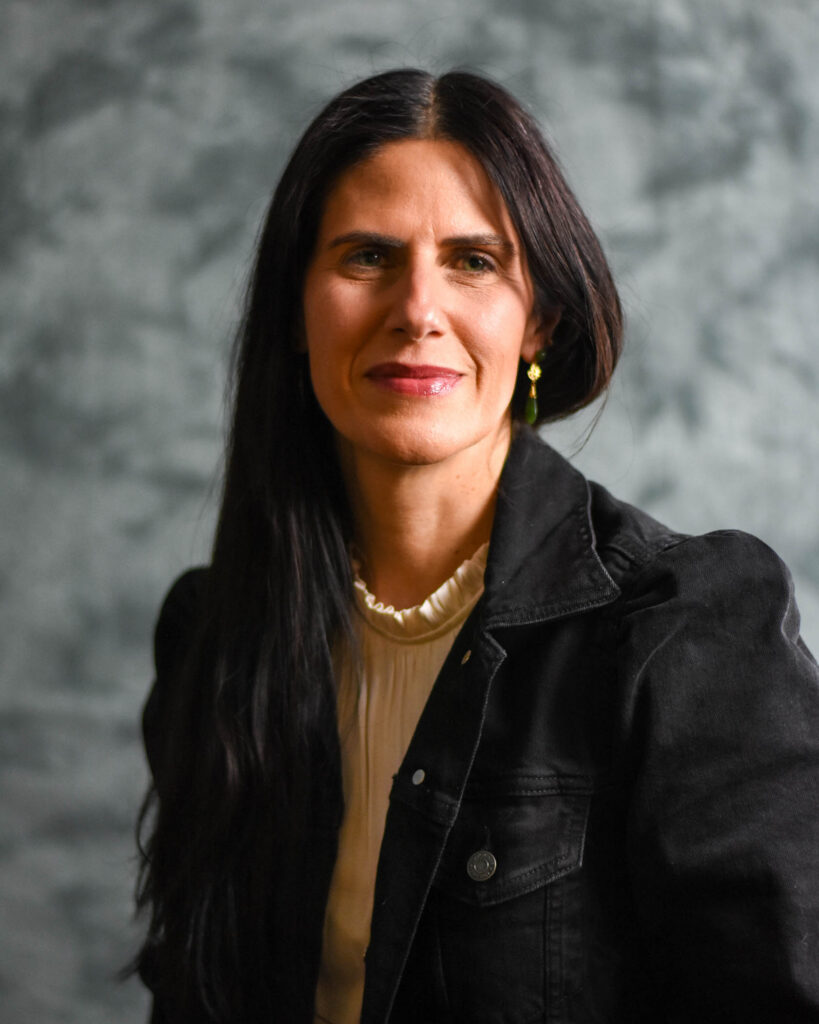


A Healing-Centered Therapist and Storyteller: My Evolving Journey as a Graphic Designer, Photographer, Creative Writer, Art Therapist, and Clinical Counselor
BA Graphic Design, Photography
MAATC LPC-A, ATR-P
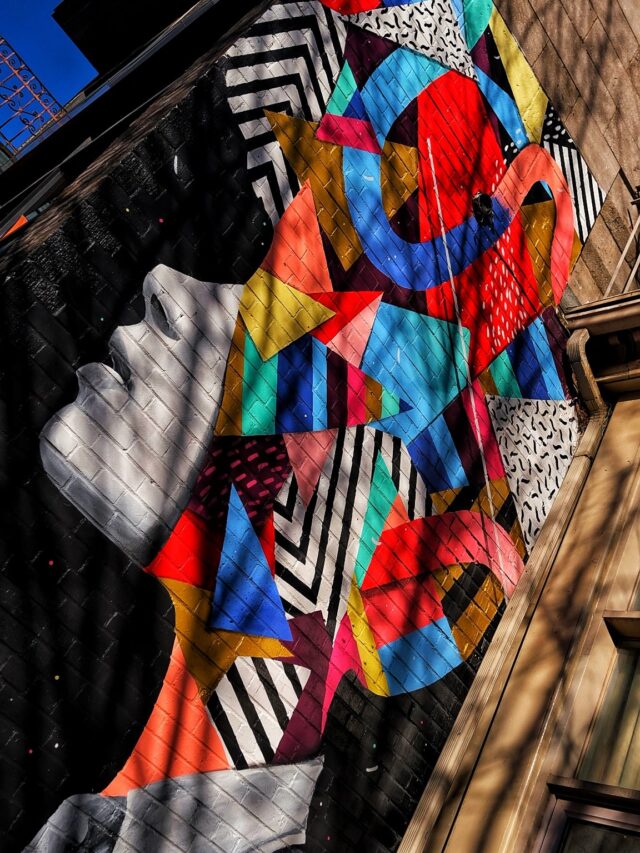
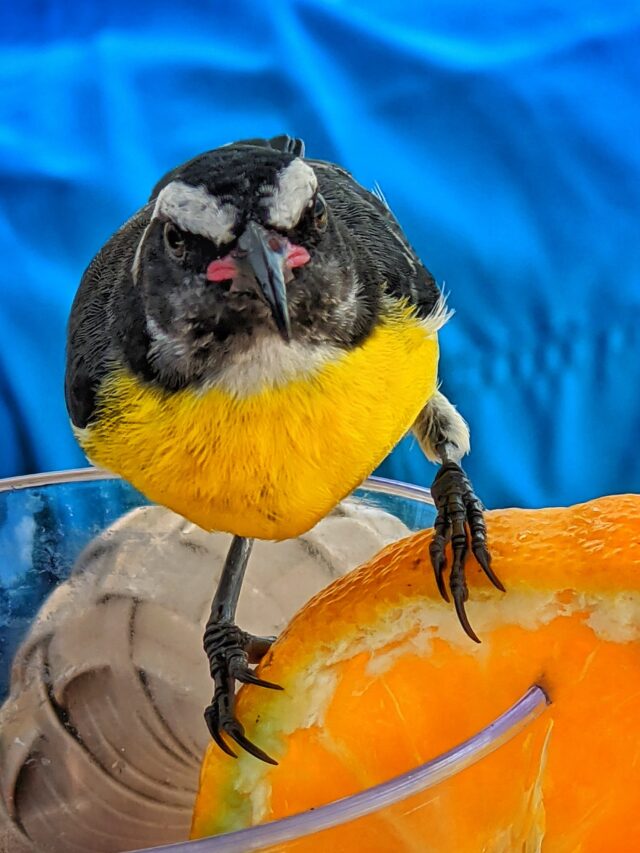
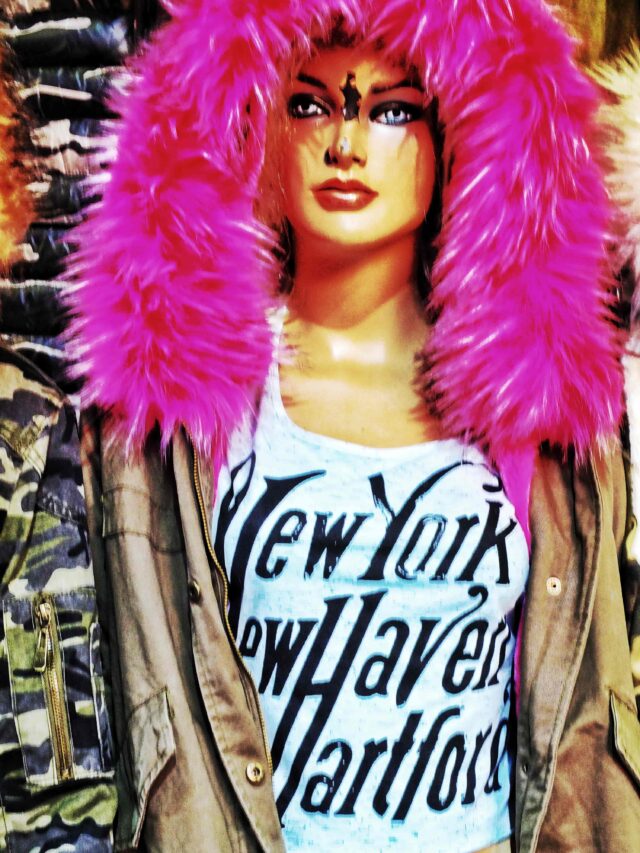
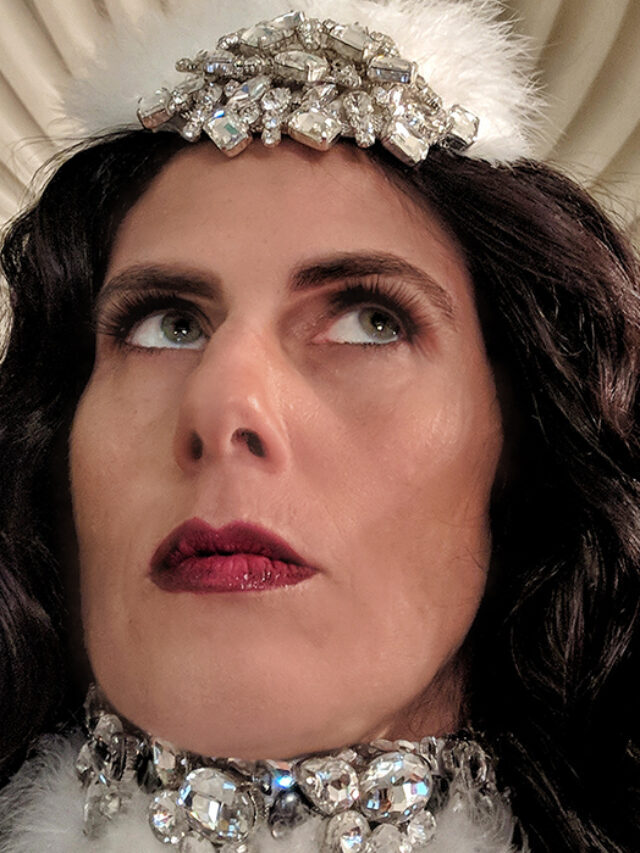
I EXPERIENCE THE WORLD through color, texture, and the stories they quietly hold. A certain shade, a play of light, or an unexpected detail can pause me in the moment and open a doorway to inspiration. As a healing-centered therapist and storyteller, I have learned to notice these moments with curiosity, because what catches our attention can often reveal something meaningful about who we are, what we carry, and the stories waiting to be told.
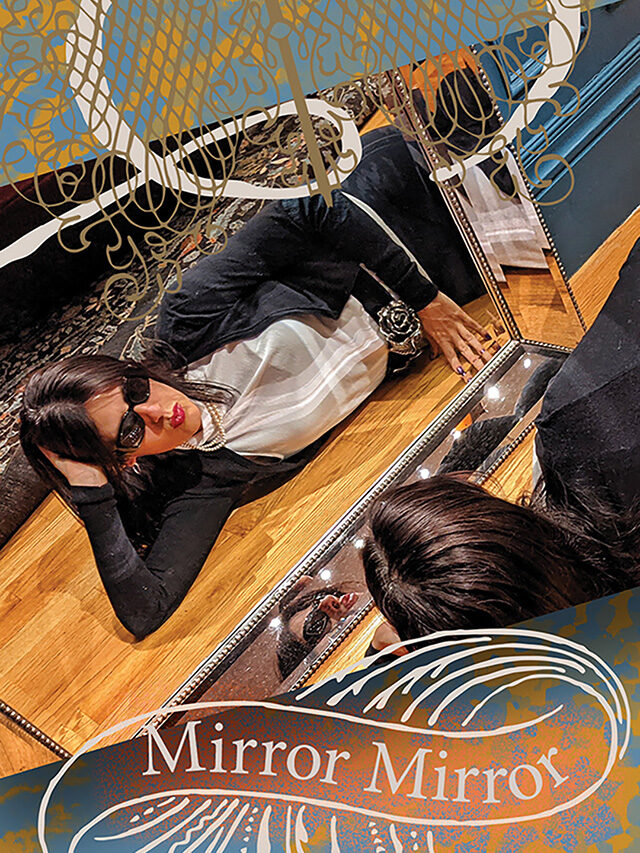
I learned graphic design just as the art world was beginning its transition into the digital era. Studying graphics without computers was challenging, but it taught me to build ideas from the ground up. After graduation, I bought my first Mac along with InDesign, Photoshop, and Illustrator, beginning a new chapter in visual storytelling.
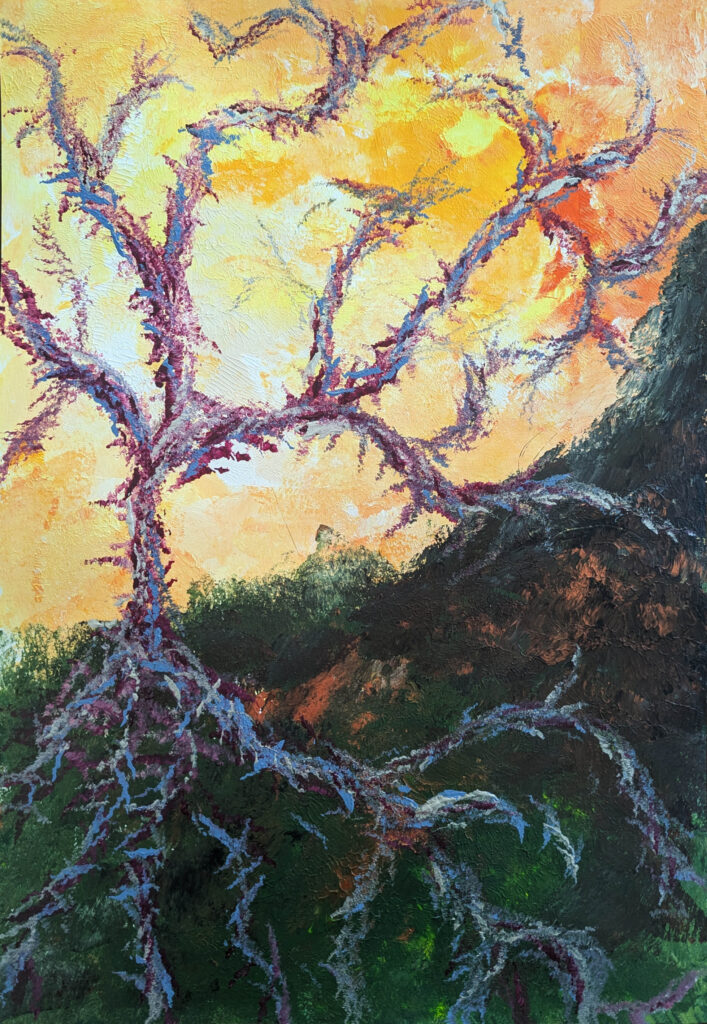
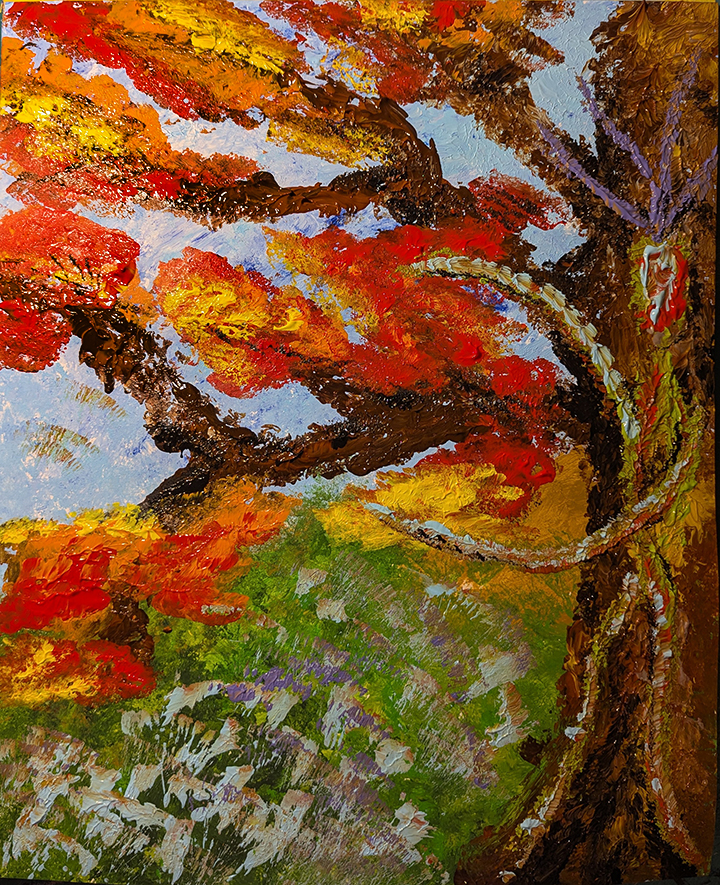
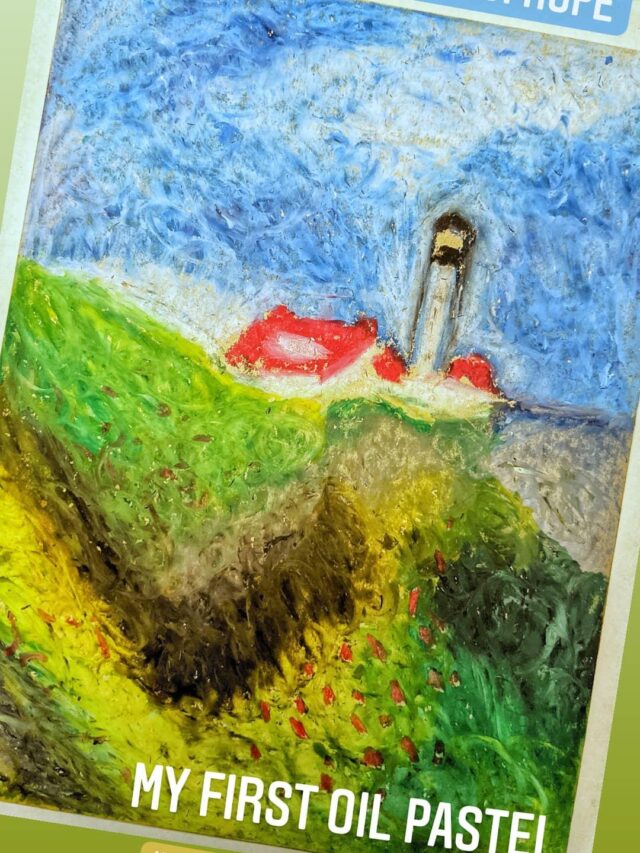
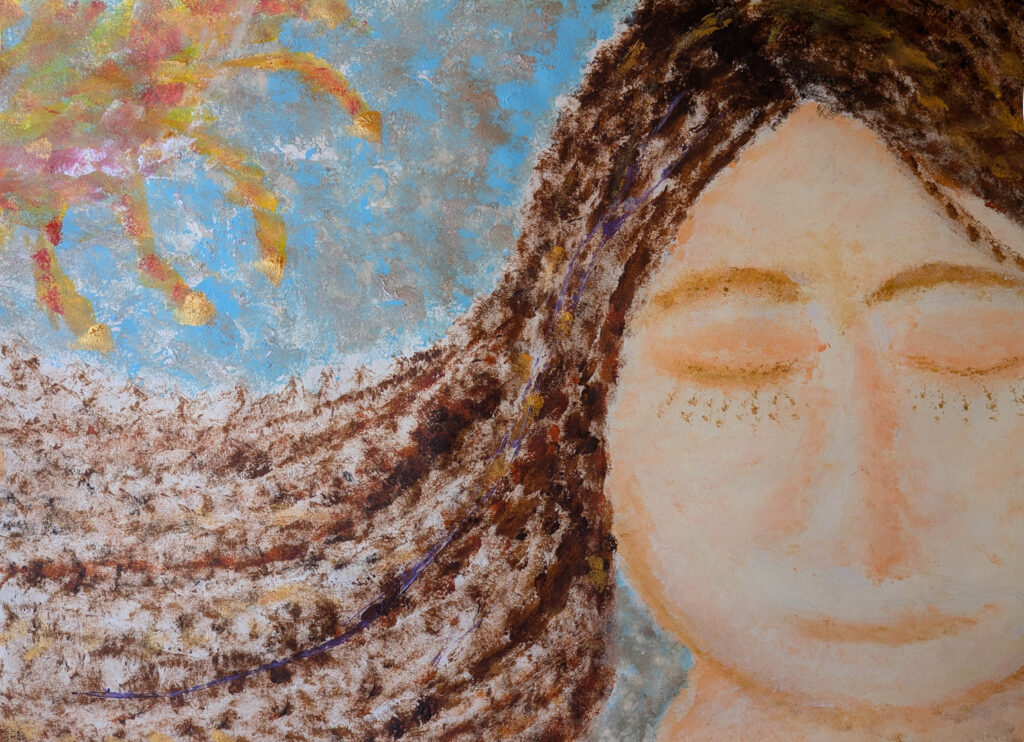
Even so, I have held onto the acrylic paints from school. These paints remain part of my foundation and a reminder of where my creative life began. In design school, my professor Margaret Grimes told me that my painting style was “one to run with.” I took those words to heart, while also deciding that the starving-artist path was not the story I wanted to write.
I chose a path that brought together graphic design, page layout, and photography. My first role allowed me to explore each of these creative languages: photographing and working in the darkroom on weekends, designing magazine pages, and creating newspaper graphics.
Over time, I realized that page design and photography were where I felt most connected. Both invited me to slow down, notice what matters, and shape details into a story that could be felt as well as seen. My career began in 1996 at a small weekly newspaper, where one especially memorable moment transformed the front page of The New Milford Times into The Mandrake Falls for an Adam Sandler film production. Replacing the newspaper’s nameplate was a playful, unexpected experience, and a reminder that creativity can make space for connection, imagination, and shared story.
In 1999, I was reassigned to the New Haven Register, where I spent the next 17½ years designing the Sunday front page and collaborating with the sports, features, business, and special projects departments. My work ranged from participating in the 4 p.m. news meeting and designing feature covers to partnering with our corporate implementation team on newspaper redesigns throughout New York and New England, all within the fast-paced, collaborative rhythm of a busy newsroom. The final eight years of my previous career focused on magazine design, storytelling, planning and directing themed photo shoots with Connecticut businesses, and serving on the board of the Register Fresh Air Fund.
The most meaningful part of that experience was learning from the photo staff. Their generosity transformed the way I understood photography, page design, and storytelling. They taught me to look beyond what an image depicts, to recognize the emotion, context, and human story it contains.
I often redirect conversations about equipment toward the photograph itself. The camera is simply a tool; every camera has a button. What interests me is the person holding it: what they noticed, what moved them, and the story they chose to share. I want to see their creativity, their perspective, and the unique way they make meaning through an image.
Photography, design, and storytelling all begin with the heart. The most meaningful creative work comes from honoring who you are rather than trying to become someone else. If something speaks to you, give yourself time to study it with curiosity. Learn to recognize the light, colors, textures, and details that draw you in. Move beyond automatic mode, not because there is one “right” way to photograph, but because intentional choices help you express what you see and feel. Connect with other photographers, too. Community can expand your perspective, encourage your growth, and remind you that there are many ways to tell a story.
My work in photography, design, and storytelling eventually led me to a deeper question: How might creative expression help people make sense of their own lives?
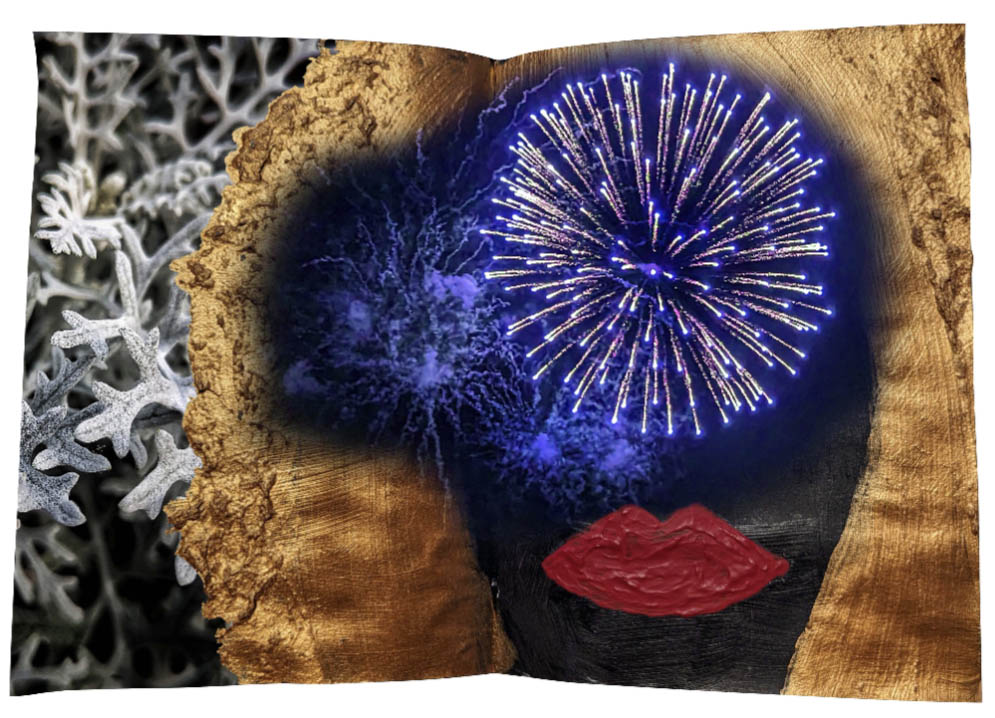
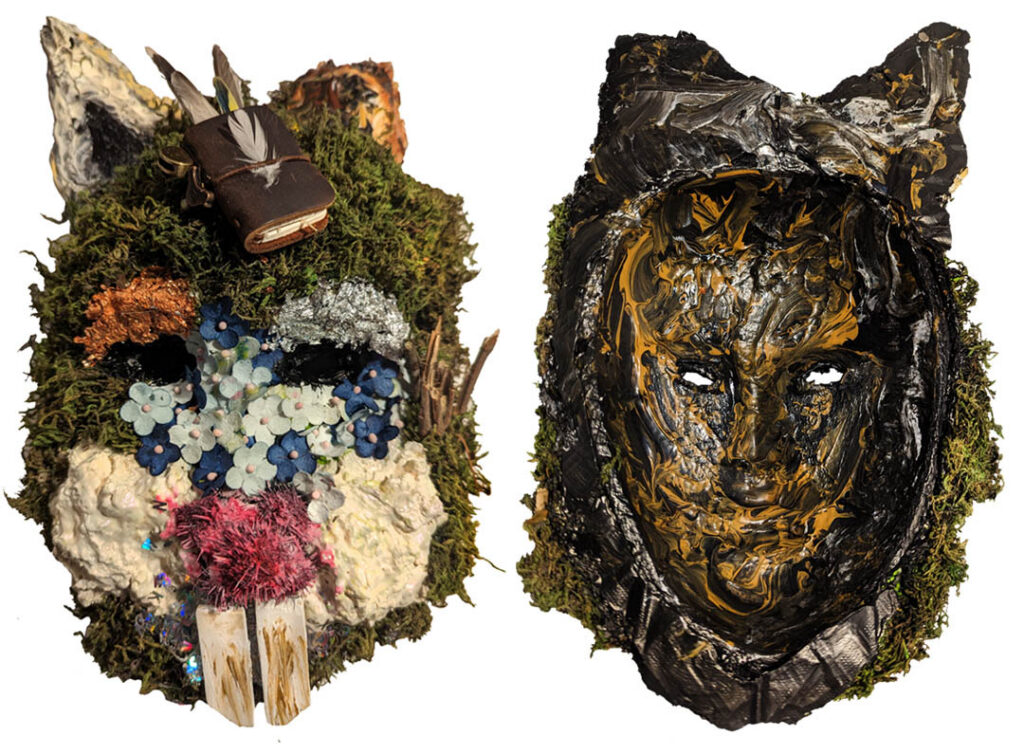
I earned a dual master’s degree in Art Therapy and Clinical Counseling from Albertus Magnus College in New Haven, Connecticut. For as long as I can remember, I have been drawn to the relationship between the stories people share and the images, colors, and artwork that resonate with them. I came to understand that creative expression can convey what words alone sometimes cannot. An image, symbol, or simple act of making art can carry profoundly personal meanings.
My years in print and photojournalism strengthened this understanding. Working in communities and listening to people’s experiences showed me the importance of allowing stories to be shared in ways that feel honest, respectful, and true to the person telling them. I wanted to take that connection between personal narrative and reflective art further, which led me to the field of art therapy.
As part of my training, I completed a year-long art therapy internship at the VA Hospital in West Haven, Connecticut, where I supported therapeutic work with diverse outpatient populations. This experience deepened my appreciation for the courage it can take to explore one’s inner world and reinforced my belief that each person deserves to be met with curiosity, dignity, and compassion.
Today, I am committed to helping clients explore their narratives through art-making in ways that support awareness, discovery, self-esteem, and personal meaning. My approach is person-centered and healing-focused: Clients remain the experts on their own experiences, while I offer a supportive space for reflection and creative exploration.
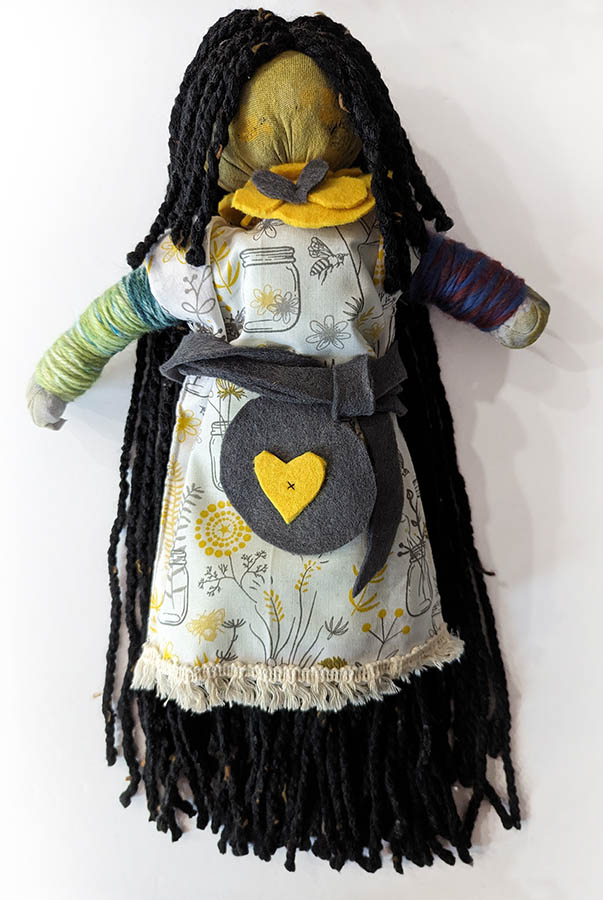
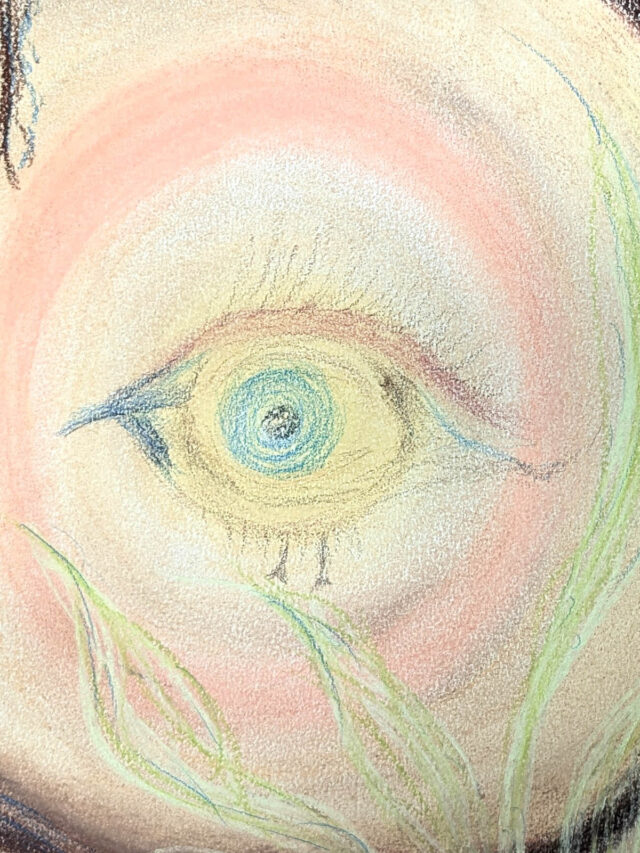
For some people, talking directly about difficult experiences may feel overwhelming or may not yet feel possible. Art can offer another path. Through color, texture, images, symbols, and the creative process itself, clients may explore thoughts and feelings at their own pace. The artwork does not need to be polished or “good”; it needs only to be meaningful to the person creating it.
I believe that art-making can help clients reconnect with their voice, recognize their strengths, and build a more compassionate relationship with themselves. In this space, storytelling becomes more than recounting what has happened. It becomes an opportunity to honor what has been carried, discover what matters now, and imagine what healing may look like moving forward.